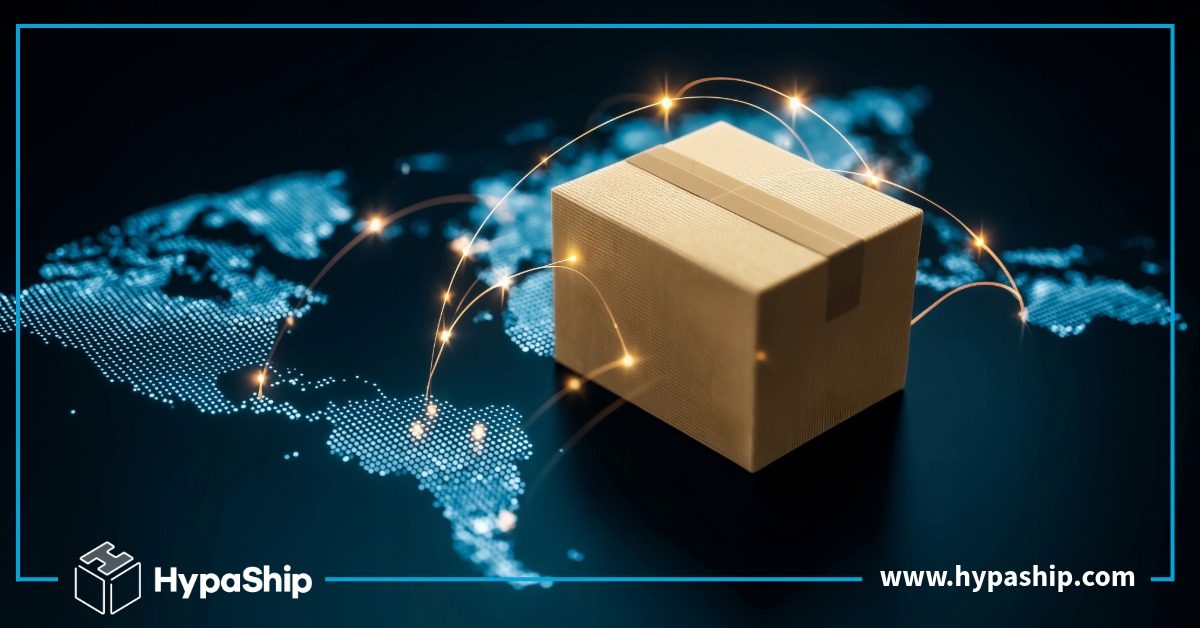

The post, parcel, and logistics sectors are on the cusp of a significant transformation. This change is driven by the intelligent integration of Artificial Intelligence (AI) into the intricate web of last-mile delivery. This isn’t just about incremental improvements. Instead, it’s a fundamental shift in how goods reach their destination. It promises a future of enhanced efficiency, reduced costs, and a vastly improved customer experience. In the coming years, AI will move from a supplementary tool to an indispensable orchestrator of the last mile.
The core of AI’s impact lies in its ability to process and act upon vast datasets with speed and accuracy. This far surpasses human capability. For the post, parcel, and logistics industries, this means a more proactive and adaptive approach to delivery. Instead of reacting to challenges like traffic jams or unexpected surges in demand, AI enables businesses to anticipate and mitigate them before they arise. This predictive power is a game-changer. It allows for a more fluid and resilient supply chain.
One of the most immediate and impactful applications of AI is in dynamic route optimisation. Gone are the days of static, pre-planned routes that quickly become obsolete in the face of real-world variables. AI algorithms continuously analyse a multitude of factors – real-time traffic flow, weather forecasts, road closures, and even the specific delivery windows requested by customers. This enables the continuous recalibration and adjustment of delivery routes, ensuring that drivers are always on the most efficient path. The benefit to the industry is clear: reduced mileage, lower fuel consumption, and significantly shorter delivery times. This not only cuts operational costs but also contributes to a more sustainable delivery model, a growing imperative for businesses and consumers alike.
Beyond just optimising the ‘how’ of delivery, AI is also revolutionising the ‘when’ through sophisticated demand forecasting. By analysing historical order data, seasonal trends, promotional impacts, and external economic indicators, AI can predict with remarkable accuracy when and where demand for deliveries will surge. This foresight allows logistics companies to proactively allocate resources – from the number of drivers and vehicles to warehouse staffing levels – ensuring they are adequately prepared for peak periods. This prevents the costly inefficiencies of overstaffing during lulls and the customer dissatisfaction that arises from being overwhelmed during busy times.
The enhanced real-time tracking and visibility offered by AI-powered systems is another critical development. Customers no longer have to rely on vague delivery windows. AI enables precise, up-to-the-minute tracking of every parcel, providing both the logistics provider and the end consumer with a clear understanding of its location and estimated arrival time. This transparency builds trust and reduces the volume of customer service inquiries related to delivery status. For the logistics provider, this granular visibility allows for swift intervention if a delivery is at risk of delay, enabling proactive communication and problem-solving.
Looking ahead, the trend towards automation will accelerate. While fully autonomous delivery vehicles are still some way off for widespread adoption in complex urban environments, AI is already driving automation in dispatch processes, load balancing, and even the initial sorting of parcels. The potential for AI-powered drones and robots to handle specific delivery tasks, particularly in less congested areas or for smaller packages, is a significant development that will reshape the last mile in the coming years.
Ultimately, the overarching benefit of AI in last-mile delivery for the post, parcel, and logistics sectors is a profound improvement in customer experience. Faster, more reliable deliveries, coupled with transparent tracking and proactive communication, foster greater customer satisfaction and loyalty. In an increasingly competitive market, this enhanced customer journey is not just a desirable outcome but a crucial differentiator. The intelligent application of AI is paving the way for a more efficient, sustainable, and customer-centric future for the entire logistics ecosystem.
Find out about our latest solutions: https://www.hypaship.com/solutions/